Tag: Game Modes
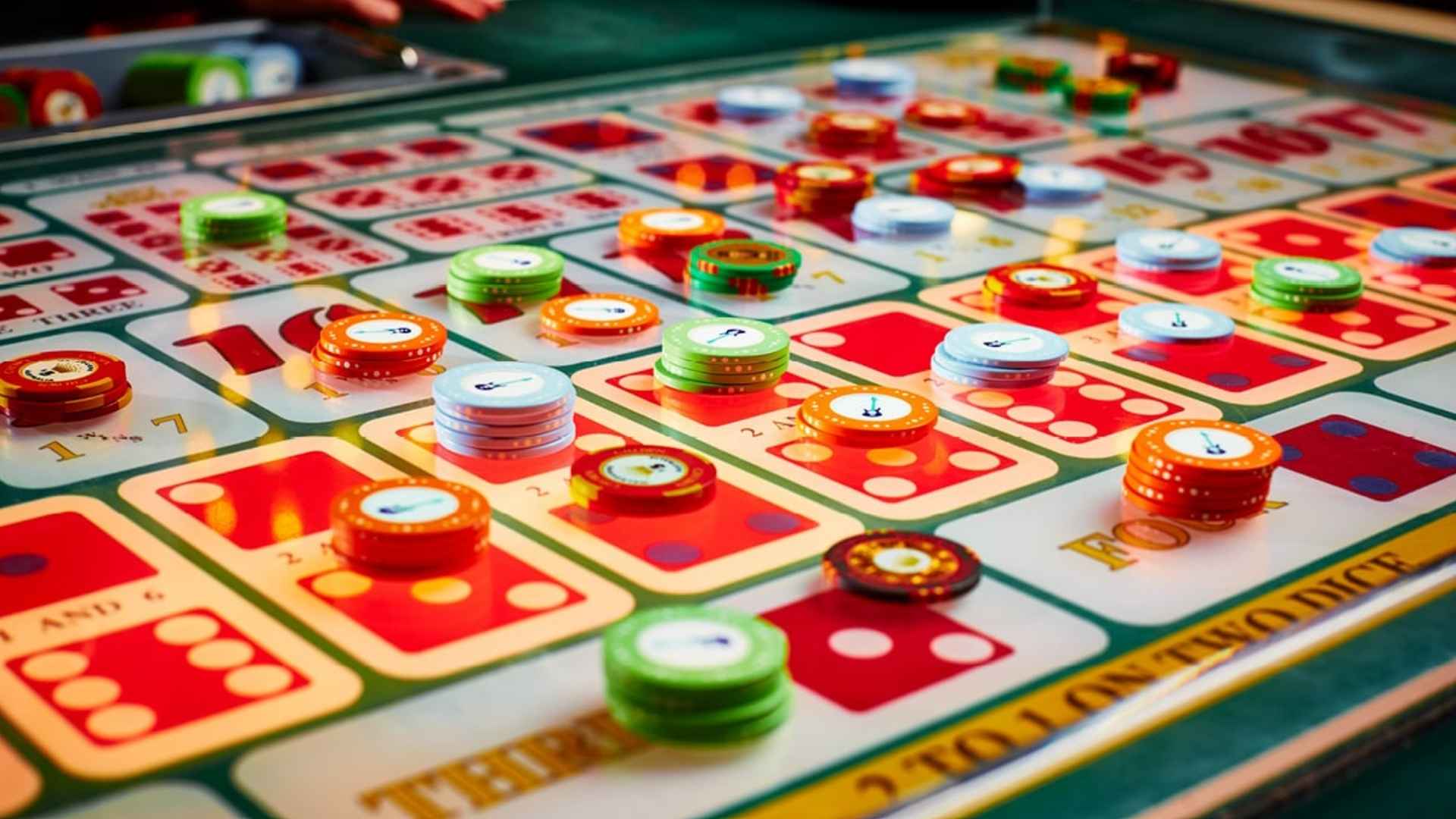
Essential Tournament Skills Every Player Should Learn
Stepping into the competitive arena of card tournaments requires much more than a basic understanding of game rules. Successful players must combine sharp cognitive preparation, continuous analytical practice, and emotional stability to navigate long matches. Mastering these core competencies is what allows casual enthusiasts to grow into respected, consistent tournament competitors.
Strategic Adaptability Under Pressure
The layout of a tournament can change rapidly depending on the decisions and behaviors of your table opponents. Adapting your tactical choices to shifting circumstances ensures that you do not fall into predictable patterns that others can exploit. Skilled competitors constantly analyze their hands and adjust their aggressiveness based on their current standings.
Maintaining a flexible strategy also helps when facing unexpected card combinations or sudden point shifts. If you find yourself struggling to maintain momentum, checking a reliable resource like the M88 link login portal can offer access to structured game formats and competitive environments. Adapting to these professional frameworks trains your mind to react calmly when high-stakes pressure begins to build.
Card Tracking and Discard Analysis
One of the most vital mechanical skills any tournament player can develop is the ability to closely track discarded cards. By remembering what your opponents choose to pick up or throw away, you gain invaluable clues about their hidden sequences. This mental tracking prevents you from making critical errors, such as discarding a card that hands someone else a victory.
This level of observation requires intense concentration and structured mental practice over many hours. Beginners who ignore the discard pile often struggle to keep up as the pace of the competition accelerates. Developing this habit early ensures that your defensive play remains just as strong as your offensive execution.
The Art of the Timely Drop
Knowing when to fold or drop a weak hand is a critical skill that directly impacts your overall tournament standing. Many novice players make the mistake of playing every deal, which often leads to massive point losses during difficult rounds. Accepting a minor, predetermined penalty is far better than risking your entire chip stack on a poor card selection.
This defensive decision-making process separates disciplined champions from recreational players who rely solely on luck. Consistently applying this risk-mitigation technique preserves your resources for rounds where you hold a genuine competitive advantage. Patience in tournament play is a fundamental building block for securing long-term success.
Mental Endurance and Emotional Control
Remaining focused during matches that can last for hours is a significant hurdle for many rising players. Fatigue frequently leads to hasty decisions and avoidable blunders, especially during the final rounds of a tournament. Establishing a calm pre-game routine and keeping a steady breathing pattern can help sustain your focus under pressure.
Additionally, keeping your emotions in check ensures that a single bad hand does not ruin your performance in subsequent games. Treat every setback as a learning experience rather than a personal failure to build true competitive resilience. By combining tactical knowledge with emotional discipline, you will establish a solid path toward mastering the tournament floor.
Best Ways to Improve at Solitaire Games
Solitaire is far more than just a game of luck and random card flips. To consistently clear the board, players must combine sharp foresight, strategic sequencing, and a solid understanding of hidden probabilities. Developing these cognitive skills transforms the game from a simple pastime into a deeply satisfying intellectual challenge.
Prioritize Uncovering the Tableau
The most critical step in any layout is exposing the hidden cards buried within your longer columns. Revealing these cards immediately creates more potential pathways and prevents you from getting trapped early in the match. Whenever you have a choice between making a move on the board or drawing from the pile, focus on the board first.
By prioritizing the tableau columns with the deepest stacks, you actively expand your options. This systematic approach reduces your dependence on the stockpile and helps maintain total control over the board. It is a fundamental tactic that separates casual players from seasoned experts.
Master the Art of Drawing Cards
Managing the stockpile and the waste pile requires immense patience and precise timing. Many players make the mistake of immediately running through the deck without assessing the current board layout first. You should only draw new cards when you have completely exhausted every productive move available on the tableau.
Furthermore, controlling the order in which cards are revealed from the stockpile can alter the entire outcome of the game. If you are looking for new digital platforms to test your strategy, searching for an M88 link login can connect you to excellent gaming rooms online. Shifting your approach to card drawing ensures you make the most of every single deck rotation.
Manage Empty Columns with Caution
Creating an empty column in the tableau is a powerful tactical move, but it must be handled with great care. Since only a King can occupy an empty space, clearing a column too early without a King ready can severely limit your playing area. Always ensure you have a strategy to fill the vacancy before committing to clearing the column.
When choosing which King to place in an empty slot, analyze the cards currently available in your tableau. Selecting a King that matches the color of your most accessible high cards will allow you to build longer piles much faster. This careful planning keeps your columns balanced and fluid throughout the session.
Build Foundation Piles Strategically
While the ultimate goal is to move all cards to the upper foundations, rushing this process can sometimes work against you. Keeping low-ranking cards on the tableau can provide vital support for organizing other sequences. Moving them to the foundations too quickly might leave you without a place to park middle-tier cards.
A balanced strategy involves building your foundation piles evenly rather than focusing on a single suit. This keeps your tableau versatile and prevents situations where you are stuck with mismatched sequences. By maintaining this equilibrium, you will steadily increase your overall win rate and master the game.
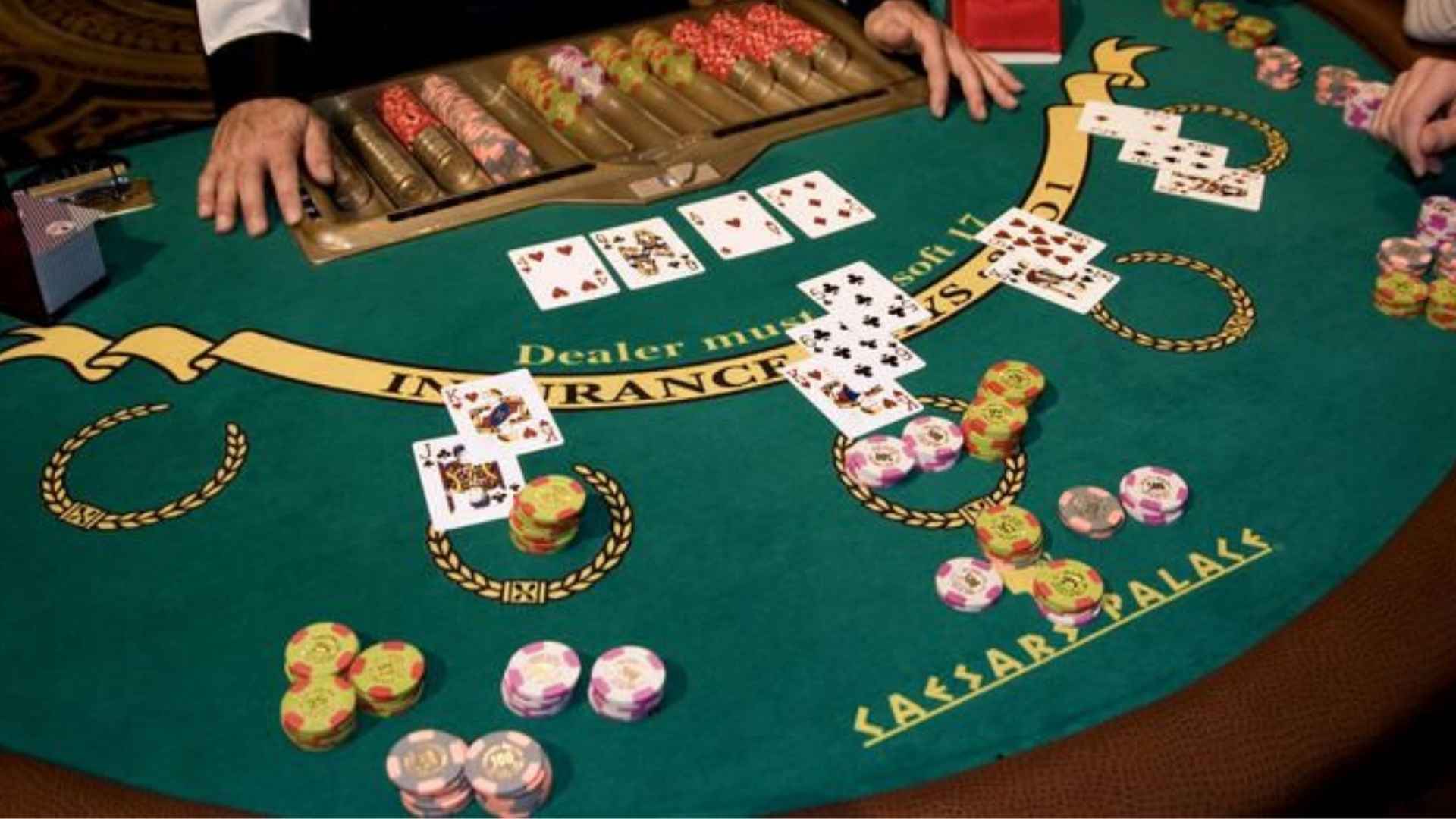
Table Games That Blend Luck and Skill
Tabletop gaming has long captivated players by presenting a dynamic environment where outcomes are never entirely predetermined. The most engaging table games masterfully combine the unpredictable element of chance with the thoughtful application of player strategy. This perfect balance ensures that while any participant can enjoy a lucky turn of events, seasoned players can consistently use their expertise to influence the final result.
The Fascinating Chemistry of Chance and Strategy
In many classic games, the roll of a die or the shuffle of a deck introduces an unpredictable element that keeps everyone on the edge of their seats. However, the true depth of these activities lies in how players respond to the hand they are dealt. This continuous cycle of adapting to random circumstances while calculating risk is what makes tabletop gaming intellectually stimulating.
Unlike games of pure luck, hybrid games reward patience, observation, and mathematical reasoning. Players must weigh the probability of future events against their current position to make the most optimal moves. This delicate interplay ensures that every session remains unique, encouraging players to refine their decision-making skills over time.
Classic Card Games Leading the Way
Blackjack stands as a premier example of a table game where tactical knowledge heavily mitigates the inherent randomness of a shuffled deck. While you cannot control which card is dealt next, memorizing basic strategy allows you to make mathematically sound decisions on whether to hit, stand, or double down. This strategic layer significantly lowers the house edge, giving disciplined players a genuine run for their money.
Poker takes this concept even further by introducing psychological warfare and bankroll management into the equation. It is not merely about holding the best cards, but rather about how you play the cards you have relative to your opponents. If you want to put these tactical insights into practice on a secure and modern platform, finding a reliable M88 link login can connect you with excellent virtual tables to test your decision-making.
The Perfect Balance in Modern Board Games
Beyond traditional casino classics, many modern board games utilize similar design philosophies to create balanced competitive arenas. Games that feature tile drafting or resource rolling challenge players to build robust engines that can withstand occasional bad luck. This shifts the focus from simply hoping for good fortune to designing flexible strategies that succeed under various conditions.
This design approach ensures that beginners can still feel competitive due to the occasional lucky break, while veterans find lasting satisfaction in mastering complex mechanics. It creates a highly welcoming environment where players of different skill levels can gather and share a genuinely entertaining experience. Ultimately, the sweet spot between chaos and control is what keeps gaming communities thriving across generations.